Forest Uppercase and Lowercase Letter Matching Alphabet Activity
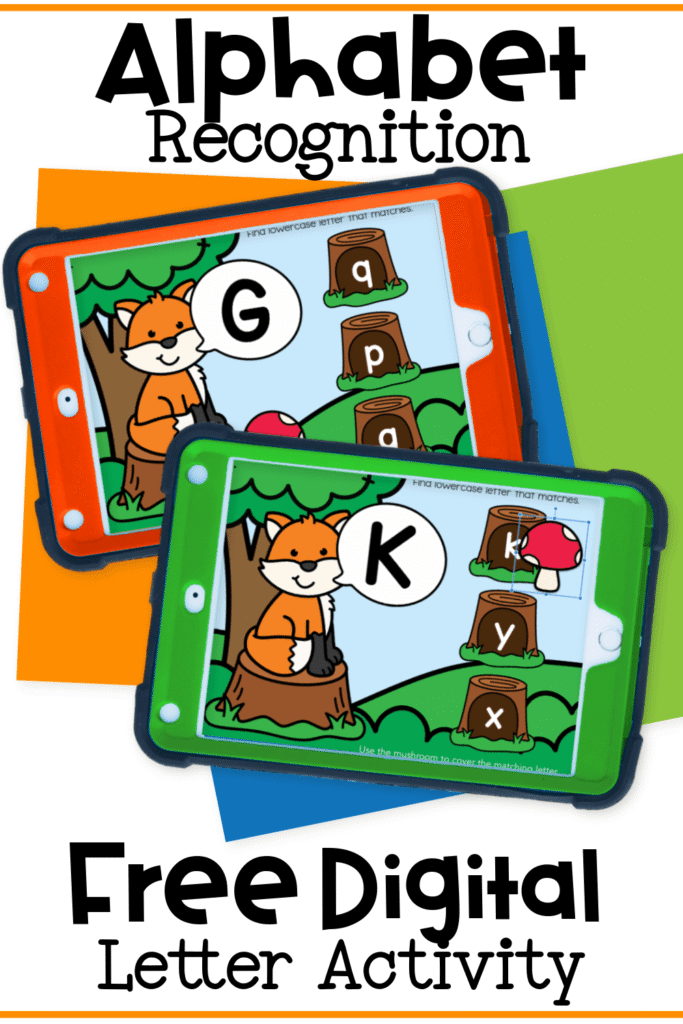
Teaching the alphabet doesn’t have to be all flashcards and frustration. Whether you’re working with preschoolers who are just starting to learn their letters or kinders who need some extra reinforcement, this adorable forest fox digital alphabet activity is a playful way to practice uppercase and lowercase letter matching and your kids won’t even realize they’re working on early literacy skills! 🦊🌲

Recommended Grade Level:


Match Uppercase and Lowercase Letters with a Forest Friend
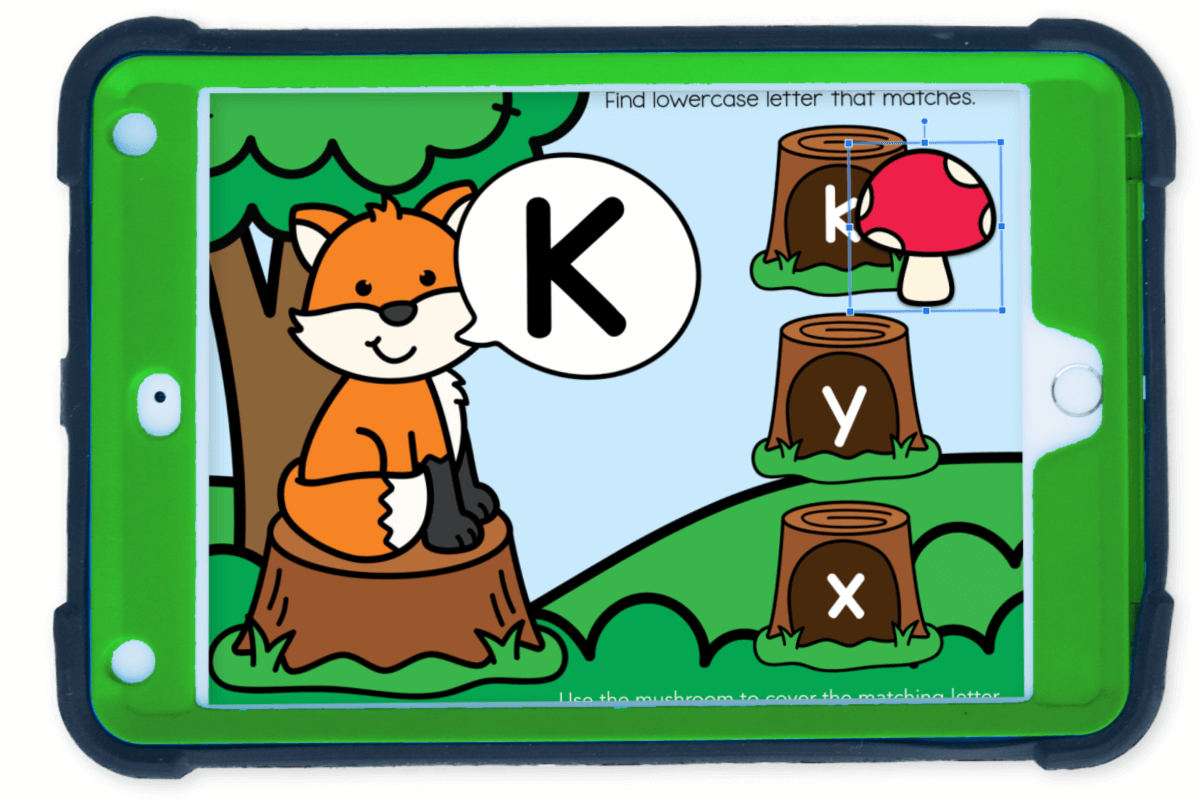
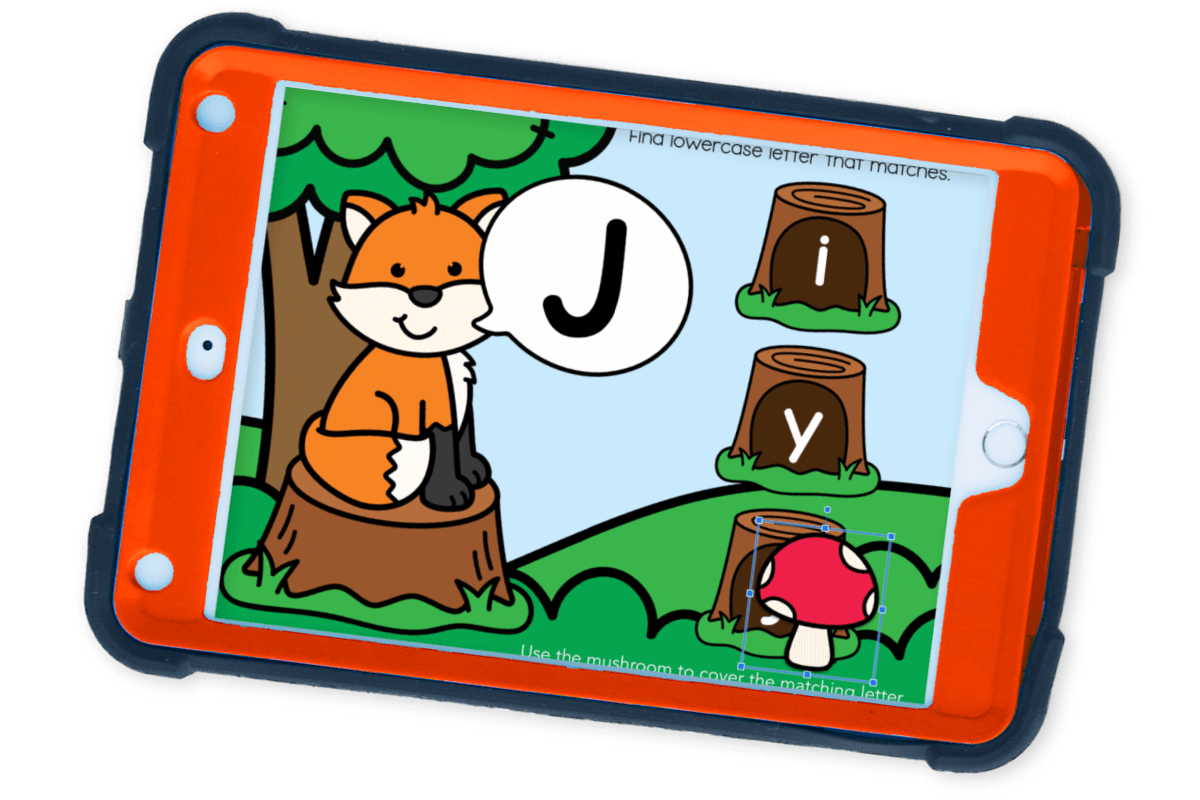
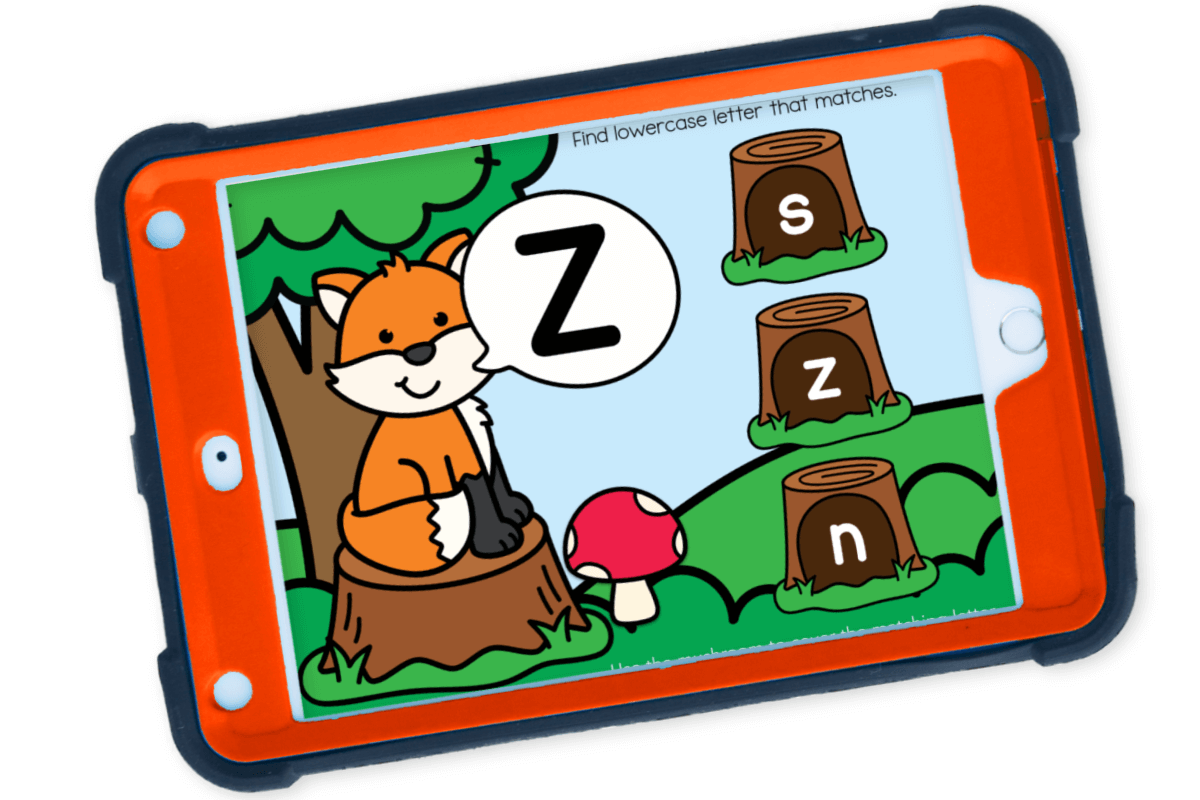
This digital activity features a super cute forest fox who needs help finding the lowercase letter that matches the uppercase letter in his speech bubble. Each slide presents three options—your kids simply click or tap the correct lowercase letter to help the fox out. It’s straightforward, fun, and packed with alphabet learning!
Kids will:
- Identify and recognize uppercase letters
- Match uppercase to lowercase letters
- Strengthen visual discrimination skills
- Build confidence through self-checking feedback (Boom Cards version)
You’ll love that this activity is simple to use, super engaging, and absolutely no prep. 🙌 Just assign it and watch your kids light up with success!
How to Introduce Letters in Preschool and Kindergarten
Introducing letters doesn’t have to start with A and go straight through to Z. In fact, the most effective way to introduce the alphabet is to start with what’s meaningful to kids… like the letters in their name. Preschoolers benefit from repeated exposure through songs, books, labels, sensory bins, and hands-on play.
Uppercase letters are often introduced first because they’re easier to distinguish visually. As kids grow more comfortable, lowercase letters are added. Eventually, children begin to recognize that each uppercase letter pairs with a lowercase match. This forest-themed activity is a great tool for reinforcing that connection in a fun, visual way.
The Process of Learning Letters
When you’re just starting out with teaching letters, it can feel like there’s a million different directions to go. Some kids know a few letters already, some might only recognize the ones in their name, and others may have never seen the alphabet before.
That’s totally normal…and exactly why having a clear, gentle process for learning letters is so important.
Here’s a helpful breakdown of the typical stages kids go through as they build alphabet recognition skills:
Alphabet Exposure
This is where it all begins.
Kids start to notice letters in their everyday life…on cereal boxes, street signs, their backpacks. They might not name them yet, but they’re starting to recognize that letters are important.
Teachers and parents can build this awareness by reading alphabet books, singing ABC songs, and pointing out letters in real-world contexts.
Letter Recognition
As kids become more familiar, they begin identifying letters by name.
This might be out of order and inconsistent at first (and that’s okay!)
They’ll often know the first letter of their name and a few others that come up often in conversation or activities.
Uppercase and Lowercase Letter Matching
Once letter names are becoming more consistent, it’s time to help children understand that each uppercase letter has a lowercase partner.
This step can be tricky because many lowercase letters look very different from their uppercase counterparts.
This is where activities like our Forest Uppercase and Lowercase Letter Matching are so helpful. They give kids repeated, interactive practice in a playful setting that helps solidify those connections.
Letter-Sound Connection
As recognition grows stronger, kids begin linking letters to their sounds. For example, they’ll see the letter B and say /b/ for “ball.” This is the gateway to early phonics and decoding, and it’s where letter learning turns into reading.
This forest-themed alphabet activity sits right in that third stage…uppercase and lowercase letter matching. It’s a key milestone because it connects what kids see in books with what they’ll soon start to decode and write themselves.
Giving kids lots of opportunities to practice matching letters in a low-pressure, hands-on way helps boost both confidence and comprehension.
By understanding these stages, teachers and parents can feel confident they’re supporting each child right where they are, and offering the right kinds of activities to move them forward.
Try these letter recognition activities with your kids!
Get More Digital Alphabet Activities Here!

When Should You Teach Uppercase and Lowercase Letters?
Uppercase letters one of the first steps into the world of print for preschoolers, but every child learns at their own pace. As a general guide:
🌟 Ages 3-4: Children might recognize some letters in their name or favorite books
🌟 Ages 4-5: Many can name most or all uppercase letters with consistent exposure
🌟 Older preschoolers may begin to recognize lowercase letters once uppercase letters become familiar
Start with what’s meaningful… like the letters in your student’s first name, their friends’ names, or classroom labels. Real-world connections make learning more personal and memorable.
Kindergarten Standards and Skills Alignment
By the time children reach kindergarten, they are expected to recognize and name all the letters of the alphabet in both uppercase and lowercase forms. This foundational skill is a key component of early literacy and helps set the stage for more advanced reading and writing development.
This Forest Uppercase and Lowercase Letter Matching Activity provides the kind of hands-on, engaging practice that helps young learners meet those expectations. It supports a wide range of skills commonly addressed in early learning standards, including:
- Letter knowledge: Recognizing and naming uppercase and lowercase letters
- Alphabet matching: Connecting uppercase letters with their lowercase counterparts
- Phonological awareness: Building the foundation for linking letters to their sounds
- Visual literacy: Identifying differences and similarities in letter shapes and symbols
- Basic technology skills: Navigating digital tools in a learning context
Because the activity is digital and interactive, it allows students to get meaningful practice identifying letters and connecting uppercase with lowercase forms. And since it’s self-paced and easy to assign in Google Slides or Seesaw, it works beautifully in whole group instruction, small group work, centers, or even at-home reinforcement.
It’s an easy way to reinforce alphabet skills while meeting educational benchmarks… without adding more to your already busy day.
Additional Skills Covered by This Activity
Even though this activity is designed around alphabet recognition, it also helps kids practice:
Visual discrimination: Kids learn to tell the difference between similar letters like p, q, b, and d.
Fine motor coordination: Clicking or tapping the correct answer strengthens finger control and precision.
Digital literacy: Students practice following directions and using devices responsibly.
Focus and attention: Choosing between similar options encourages careful thinking and problem-solving.
These are the kinds of foundational skills that benefit kids far beyond the alphabet.

How to Use the Activity
Using digital activities, like these uppercase and lowercase letter matching activities, with preschoolers might sound overwhelming, but it’s easier than you think. Here’s a simple way to get started:
- Choose your platform: Use Google Slides for interactive whiteboards or laptops, or assign via Seesaw for easy student access
- Introduce the letter: Talk about the shape, name, and sound of the target letter. Point it out on an alphabet chart or find it in the classroom
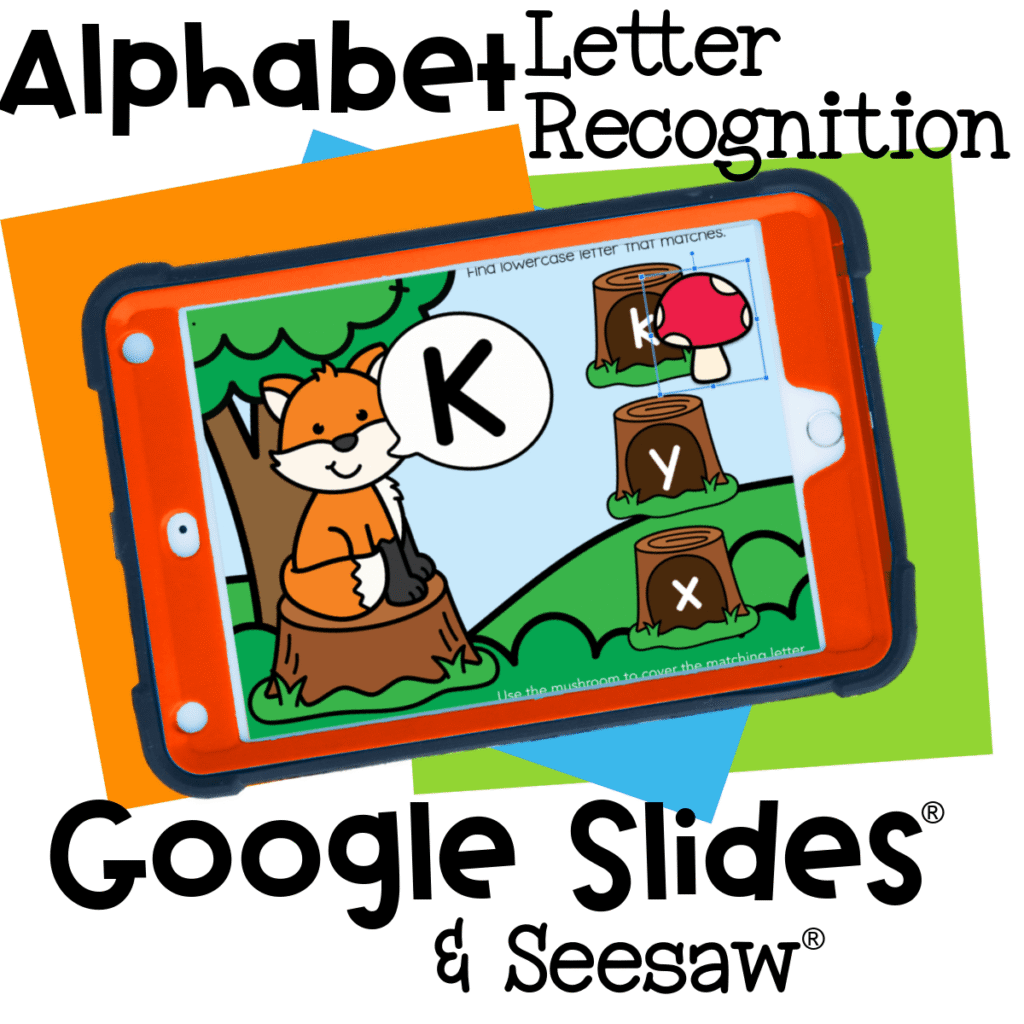
- Model the task: Show students how to click and drag the mushroom over the correct letters (or tap on tablets)
- Let them try it: Depending on your setup, kids can work independently, in small groups, or as part of a whole group activity
- Celebrate completion: Each maze ends with a star, giving students a sense of accomplishment and closure
You don’t need to be a tech expert to make this work in your classroom. A few minutes of guided instruction and your preschoolers will be confidently navigating the uppercase and lowercase letter matching activity on their own.
How to Get the Activity
- Enter your email below and then check your inbox to get the uppercase and lowercase letter matching activity.
- When you open the file you can click on the format that you prefer to use: Google Slides®, Seesaw® or upgrade to self-checking Boom Cards®.
- If you are downloading the Google Slides version you will be prompted to “Make a copy”. This is an important step you need to complete to make sure you get an editable version to share with your students!
- In Slides, make sure you are in “Edit” mode, as opposed to “Present” mode. You will see the “Present” button in the upper right-hand corner.
- In Slides, just click on the symbol box to highlight it in blue and drag it when the cursor resembles a plus sign with an arrow on each end.
- If you choose the Seesaw version, click the Seesaw image to instantly add it to your Seesaw library.
- Use the Text tool (click on the large T) to be able to highlight each symbol to move it.
- To upgrade to self-checking Boom Cards®, click on the image in the download PDF to purchase the deck to use with your students.
- Or check out the Apple Counting Self-Checking Boom Cards® here!
- Finally, if you choose self-correcting Boom Cards, remember you must be connected to the Internet in order for the cards to work.
Who This Is Perfect For:
These forest theme uppercase and lowercase letter matching activity is especially helpful for:
- Preschool & Pre-K kids building early number knowledge
- Students with special needs who benefit from visual structure and repetition
- ESL learners who thrive with consistent visuals
- Summer school, tutoring, and intervention groups
How to Differentiate for Various Learners
One of the best things about this digital alphabet activity is how easy it is to tailor to your students’ needs. Whether you’re working with a whole class, a small group, or one-on-one, you can make small adjustments to get big results:
- New learners: Assign just a few slides (like letters A–D) to avoid overwhelm.
- Confident learners: Encourage kids to name the letter, say the sound, and give an example word.
- Students with special needs: Provide visual cues, verbal support, or model a few slides before independent work. Seesaw is especially helpful for adding audio directions or visual supports.
This flexibility allows you to meet kids right where they are without redoing your entire lesson plan.
How to Extend the Skill
Once your kids are rocking their uppercase and lowercase letter matching, you can keep the momentum going with simple extension activities like:
- Letter tracing: Reinforce recognition by introducing writing practice. This set of interactive alphabet worksheets is a great foundation for introducing letters.
- Alphabet books and songs: Repetition through music and storytelling deepens understanding.
- Forest animal crafts: Make a fox or owl craft that ties into the theme.
- Alphabet I Spy: Use this forest I Spy activity to build recognition across fonts and styles.
- Scavenger hunts: Hide letters around the room and have kids match uppercase and lowercase versions for a gross motor twist.
These ideas help bring the learning off the screen and into the rest of your day.
ABC Phonics Song by Rock ‘n’ Learn
The Alphabet Song by Jack Hartmann
Ready to Make Learning Letters Easy?
We know how hard it can be to meet every learner’s needs… especially in mixed-ability classrooms or when you’re juggling small group instruction and assessments. That’s why we love creating activities that are:
- Easy to differentiate
- Hands-on and visual
- Fun enough to keep attention without added stress for you
So grab your favorite tablet or open up those Google Slides, and let your learners go on a forest adventure as they match uppercase and lowercase letters with their new fox friend! 🦊💻🍃
More Summer Fun from I Teach Too:
- Strawberry Number Recognition 1–10
- Spring Base Ten Block Math Activity
- Free Bead Counting Activities
Join the I Teach Too Newsletter and Get Your Uppercase and Lowercase Matching Activity Here!