Apple Theme Beginning Sounds Matching Activity
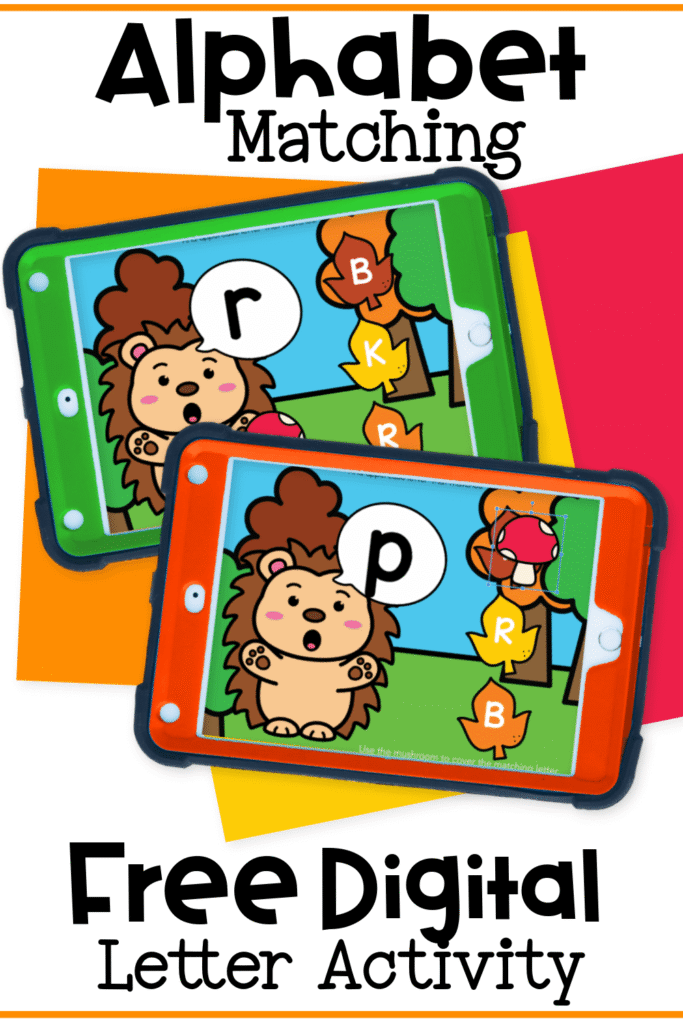
Learning beginning sounds is a big win for preschoolers and kindergarteners. This free Apple Theme Beginning Sounds Matching Activity gives kids meaningful, hands-on practice with beginning sounds in a fun, low-pressure format that feels like play.
With cheerful apples, real-world images, and simple click-and-go interaction, this digital phonics game is great for fall literacy centers, morning tubs, small groups, or at-home practice. The apple theme beginning sounds matching activity works with both Google Slides and Seesaw and plays smoothly on laptops, tablets, and smartboards. This easy-to-use alphabet activity is a great addition to any literacy routine.

Recommended Grade Level:


Making Beginning Sounds Fun in Preschool and Kindergarten
In the early years, learning happens best through play. Kids thrive when they are moving, singing, talking, and exploring. The more exposure they have to letters and beginning sounds through everyday experiences, the more confident they become.
As students begin to recognize sounds at the start of words, it’s helpful to offer structured phonics activities that let them explore those sounds further.
Skip the flashcards. Let kids move, speak, and explore instead.
Here are some fun ways to introduce beginning sounds:
- Sing silly songs like “Willoughby Wallaby Woo” to draw attention to first sounds.
- Read alphabet books that highlight beginning sounds and letter-sound pairs.
- Go on a sound hunt around the room to find objects that begin with a certain letter.
- Let kids trace letters in sensory trays as they say the matching sound.
Once students know a few beginning sounds and have letter recognition of lowercase letters, they’re ready for matching activities like this one. It reinforces key skills while keeping things light and fun.

The Process of Learning Beginning Sounds
Learning letter sounds doesn’t happen overnight. It’s a gradual process that builds on early literacy experiences. Understanding the progression can help teachers and parents introduce phonics at the right time and in the right way.
Exposure is the foundation. Children first begin to hear letter sounds through songs, read-alouds, classroom conversations, and playful routines. At this stage, they may not know the name of a letter, but they are beginning to associate sounds with familiar words. For example, they might hear that “mom” and “milk” both start with the /m/ sound.
Sound awareness comes next. Children start listening more closely to words and begin to notice the initial sounds. They might point out that “dog” and “doll” both start with the same sound. This is the early stage of phonemic awareness, and it is a critical building block for reading.
Sound-letter connections follow naturally. As children get familiar with letter names and shapes, they begin matching those letters to the sounds they’ve been hearing. This might look like pointing to a “T” and saying “tiger,” or recognizing that their name starts with “B” for “Ben.”
Phonics practice is the final layer. Once children can connect a letter to its sound, they are ready for repeated, meaningful practice through activities like beginning sound matching. These kinds of tasks strengthen the brain pathways that support early decoding and make it easier for kids to sound out words later.
This Apple Beginning Sounds Matching Activity provides exactly that kind of practice. With real-world pictures and easy-to-use interaction, kids can build fluency with letter sounds in a playful, low-pressure environment.
Try these letter recognition activities with your kids!
Get More Digital Alphabet Activities Here!

Kindergarten Skills and Standards
In kindergarten, students begin to move from general letter exposure toward mastering key literacy benchmarks. One of the most important goals during this stage is helping students connect individual letter names with their corresponding sounds.
Beginning sounds activities support that transition by allowing students to listen for the initial sound in a spoken word and match it to the correct letter.
This Apple Theme Beginning Sounds Matching Activity aligns with several early kindergarten literacy goals:
- Isolating and identifying the first sound in a word
- Connecting spoken sounds with printed letters
- Practicing lowercase letter identification through repeated exposure
- Reinforcing letter-sound relationships with visual and auditory support
- Building independence and confidence with basic phonics tasks
This beginning sounds phonics activity is also an excellent choice for differentiated instruction. Use it at the start of the year to build foundational skills, as a reinforcement tool mid-year, or during spring as a quick and engaging review.
It’s also a helpful resource for intervention groups or students who need additional support in letter-sound correspondence.
What Skills Are Covered
This beginning sounds matching activity helps students build foundational early literacy skills in a playful and developmentally appropriate way. As they work through the digital slides, they will be practicing:
- Beginning Sound Identification: Children are asked to isolate the first sound they hear in a word and choose the matching letter. This helps develop phonemic awareness and is one of the first steps in decoding words while reading.
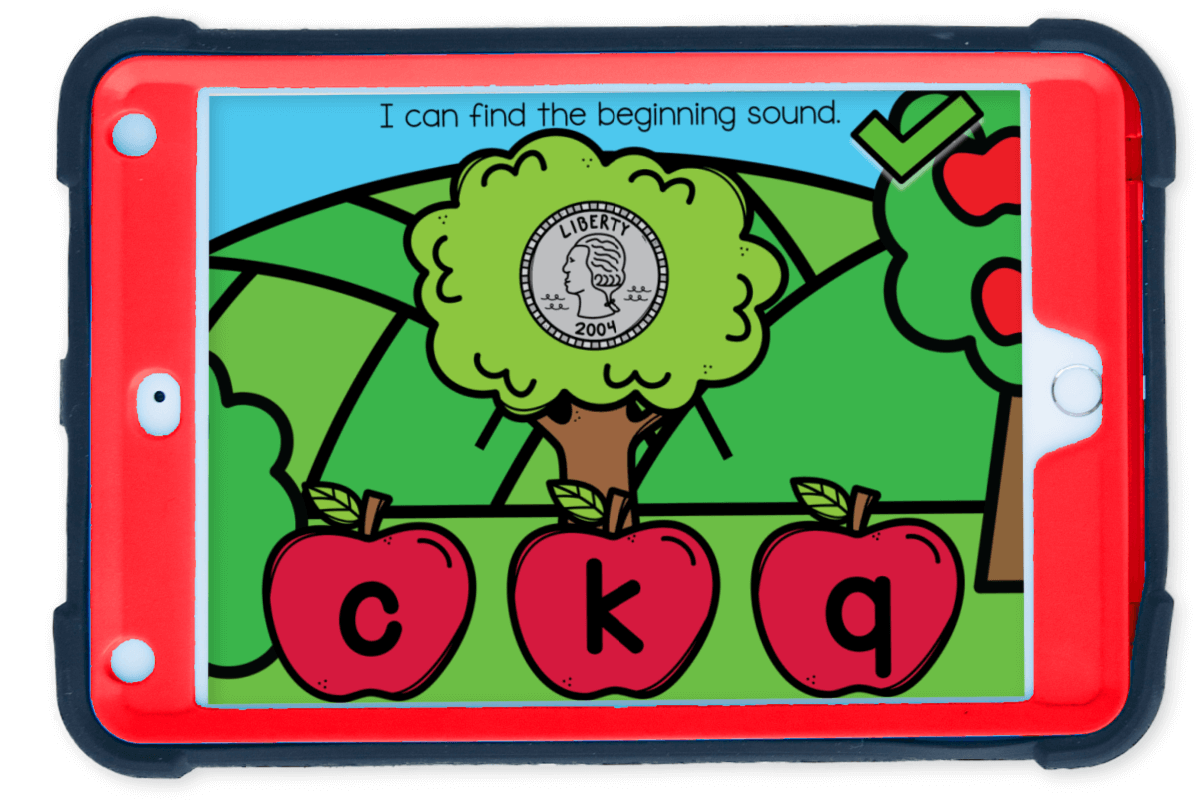
- Letter Recognition: With each slide featuring three lowercase letters, kids get repeated exposure to identifying and naming letters of the alphabet. This repetition supports long-term memory and reinforces visual familiarity with letter forms.
- Phonemic Awareness: Students learn to hear and separate individual sounds in words. Identifying the beginning sound is a foundational skill that prepares students for more advanced phonics work.
- Visual Discrimination: Many letters look similar, especially in lowercase. This activity challenges students to distinguish between letters like b, d, and p, helping to sharpen their attention to small visual details.
- Digital Literacy: Using simple click or tap responses, students gain practice navigating a digital interface. This builds confidence with using technology in an educational setting, a skill many students will use throughout their academic journey.
- Independent Work Habits: Because the task is clear and easy to follow, students can complete it with minimal support. This fosters independence and gives teachers more flexibility to support other learners during center time or small group instruction.

How to Use the Activity
Using digital activities, like this beginning sound matching activity, with preschoolers might sound overwhelming, but it’s easier than you think. Here’s a simple way to get started:
- Choose your platform: Use Google Slides for interactive whiteboards or laptops, or assign via Seesaw for easy student access
- Introduce the letter: Talk about the sound of the target letter. Point it out on an alphabet chart or find it in the classroom
- Model the task: Show students how to click and drag the check mark over the correct letters (or tap on tablets)
- Let them try it: Depending on your setup, kids can work independently, in small groups, or as part of a whole group activity
You don’t need to be a tech expert to make this work in your classroom. A few minutes of guided instruction and your preschoolers will be confidently navigating the apple theme beginning sounds matching activity on their own.
How to Get the Activity
- Enter your email below and then check your inbox to get the beginning sounds matching activity.
- When you open the file you can click on the format that you prefer to use: Google Slides®, Seesaw® or upgrade to self-checking Boom Cards®.
- If you are downloading the Google Slides version you will be prompted to “Make a copy”. This is an important step you need to complete to make sure you get an editable version to share with your students!
- In Slides, make sure you are in “Edit” mode, as opposed to “Present” mode. You will see the “Present” button in the upper right-hand corner.
- In Slides, just click on the symbol box to highlight it in blue and drag it when the cursor resembles a plus sign with an arrow on each end.
- If you choose the Seesaw version, click the Seesaw image to instantly add it to your Seesaw library.
- Use the Text tool (click on the large T) to be able to highlight each symbol to move it.
- To upgrade to self-checking Boom Cards®, click on the image in the download PDF to purchase the deck to use with your students.
- Or check out the Apple Counting Self-Checking Boom Cards® here!
- Finally, if you choose self-correcting Boom Cards, remember you must be connected to the Internet in order for the cards to work.
Who This Is Perfect For:
These apple theme beginning sounds matching activity is especially helpful for:
- Preschool & Pre-K kids building early number knowledge
- Students with special needs who benefit from visual structure and repetition
- ESL learners who thrive with consistent visuals
- Summer school, tutoring, and intervention groups

What Kids Practice While They Play
Tips for Teachers and Differentiation Ideas
One of the best parts of this beginning sounds matching activity is how flexible it is. Whether you’re working with new learners, children who benefit from repetition and structure, or students who are ready for a challenge, there are simple ways to make this resource work for everyone.
- New learners: Start small. Focus on just a few slides at a time that include letters students already recognize. This could be the first letter of their name or letters from common classroom words. Repetition and familiarity help young children feel successful and build confidence.
- Students with special needs: Offer extra support by pairing this digital activity with real-life manipulatives. Use tactile letter tiles or picture cards to match sounds. You can also reduce visual choices on screen or walk through a few slides together to build comfort before they try it independently.
- Confident learners: Add depth by asking students to say the letter name, the sound, and a word that starts with that sound before selecting their answer. You could also turn the activity into a memory game by challenging them to recall previous slides or match letter sounds without support.
- Independent centers: This activity works great as a digital literacy center. To promote accountability, add a quick-response sheet where students record the letters they selected or draw a picture that starts with the same sound. This adds a print component and reinforces letter-sound connections through writing and drawing.
These small adjustments make it easier to use the same activity with all learners while meeting them at their level of development.
Ideas for Home Learning
This beginning sounds activity is also a great option for families to use at home. It provides meaningful literacy practice without the need for extra materials or complicated setup. Here are a few simple ways caregivers can support their child’s learning:
- Naming the pictures together: Sit side by side and name each image out loud. This supports vocabulary development, reinforces word recognition, and gives children a chance to hear clear pronunciation of the target sound.
- Taking turns picking the correct beginning sound: Treat it like a game. One person names the picture, and the other chooses the matching letter. Then switch roles. This back-and-forth builds confidence and makes learning feel collaborative.
- Finding other household items that start with the same sound: After completing a slide, ask your child to find one or two items around the house that begin with the same sound. For example, after matching the sound /t/ for taco, look for a towel or toothbrush. This builds connections between letters, sounds, and real-world vocabulary.
To keep the learning going, pair the digital activity with related alphabet books, songs, or a simple game of “I Spy” using beginning sounds. These small moments of repetition help reinforce the skill in a playful way.
How to Extend the Skill
Once your kids are rocking their beginning sounds matching, you can keep the momentum going with simple extension activities like:
- Letter tracing: Reinforce recognition by introducing writing practice. This set of interactive alphabet worksheets is a great foundation for introducing letters.
- Alphabet books and songs: Repetition through music and storytelling deepens understanding.
- Alphabet I Spy: Use this forest I Spy activity to build recognition across fonts and styles.
- Scavenger hunts: Hide letters around the room and have kids match lowercase and uppercase versions for a gross motor twist.
These ideas help bring the learning off the screen and into the rest of your day.
ABC Phonics Song by Rock ‘n’ Learn
The Alphabet Song by Jack Hartmann
Ready to Make Learning Letters Easy?
We know how hard it can be to meet every learner’s needs… especially in mixed-ability classrooms or when you’re juggling small group instruction and assessments. That’s why we love creating activities that are:
- Easy to differentiate
- Hands-on and visual
- Fun enough to keep attention without added stress for you
This free Apple Theme Beginning Sounds Matching Activity is a great way to support early phonics skills with no prep and no fuss. It fits seamlessly into your fall plans and offers simple ways to differentiate for every learner.
Download a copy, open it on your favorite device, and watch your kids build beginning sound confidence with every tap.
More Fun from I Teach Too:

Join the I Teach Too Newsletter and Get Your Beginning Sounds Matching Activity Here!


